

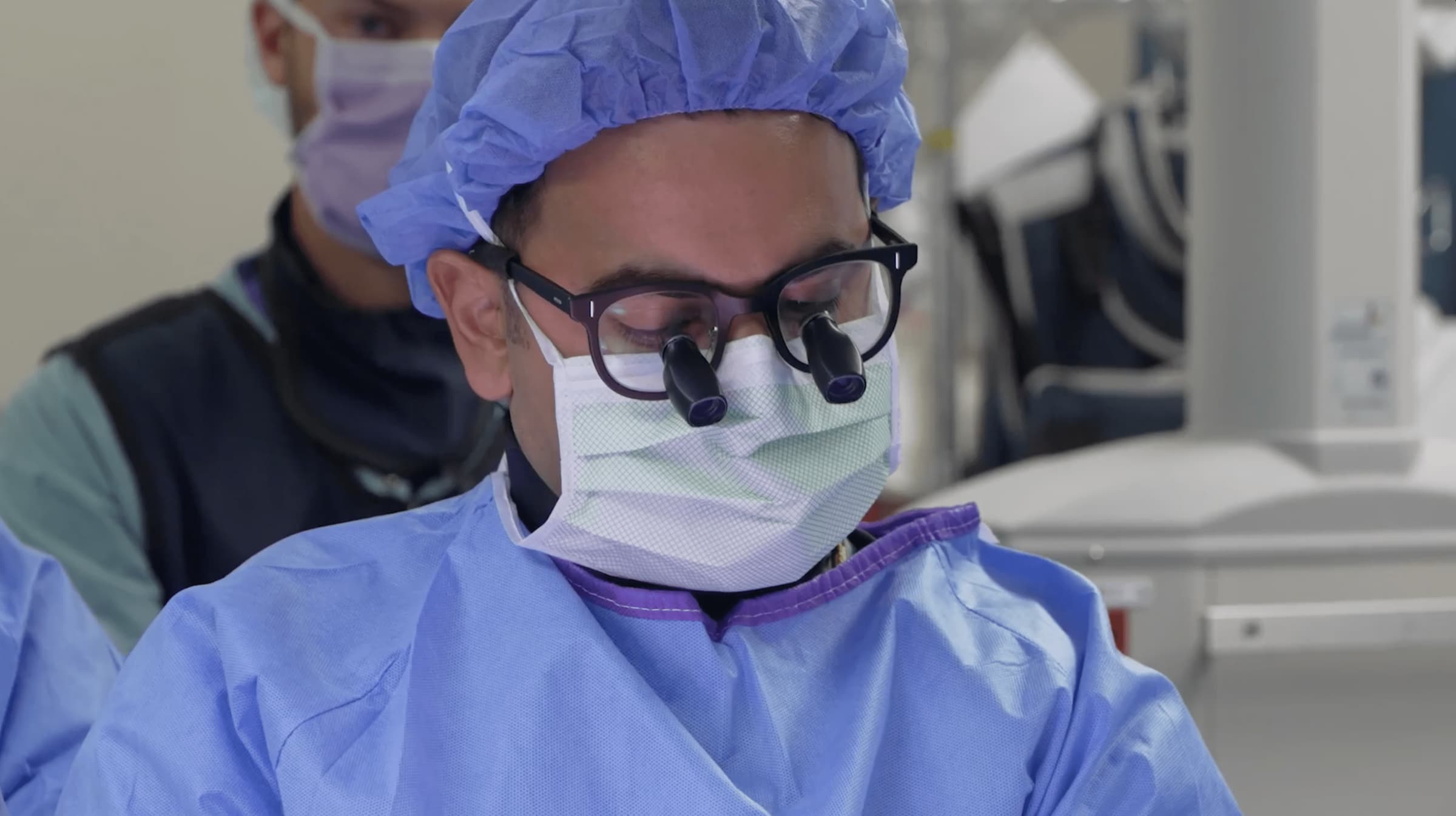
Director of Spine Trauma, UCI Health
Your Journey to
Spine Health
Sohaib Z. Hashmi, MD is a board certified, dual fellowship trained orthopaedic spine and trauma surgeon specializing in the management of cervical, thoracic and lumbosacral spinal disorders: complex reconstruction, revision surgery, and minimally invasive and endoscopic techniques.
- 2
- Fellowships
- 40+
- Publications
- 10+
- Years of training
- 3
- Orange County clinics
Spine and orthopaedic trauma
Peer-reviewed papers and book chapters
Residency and two fellowships
Orange, Irvine, Laguna Hills
Education, Training & Affiliations






Introduction
A few minutes
with Dr. Hashmi
How the practice approaches complex spinal disorders, and what to expect from a consultation.
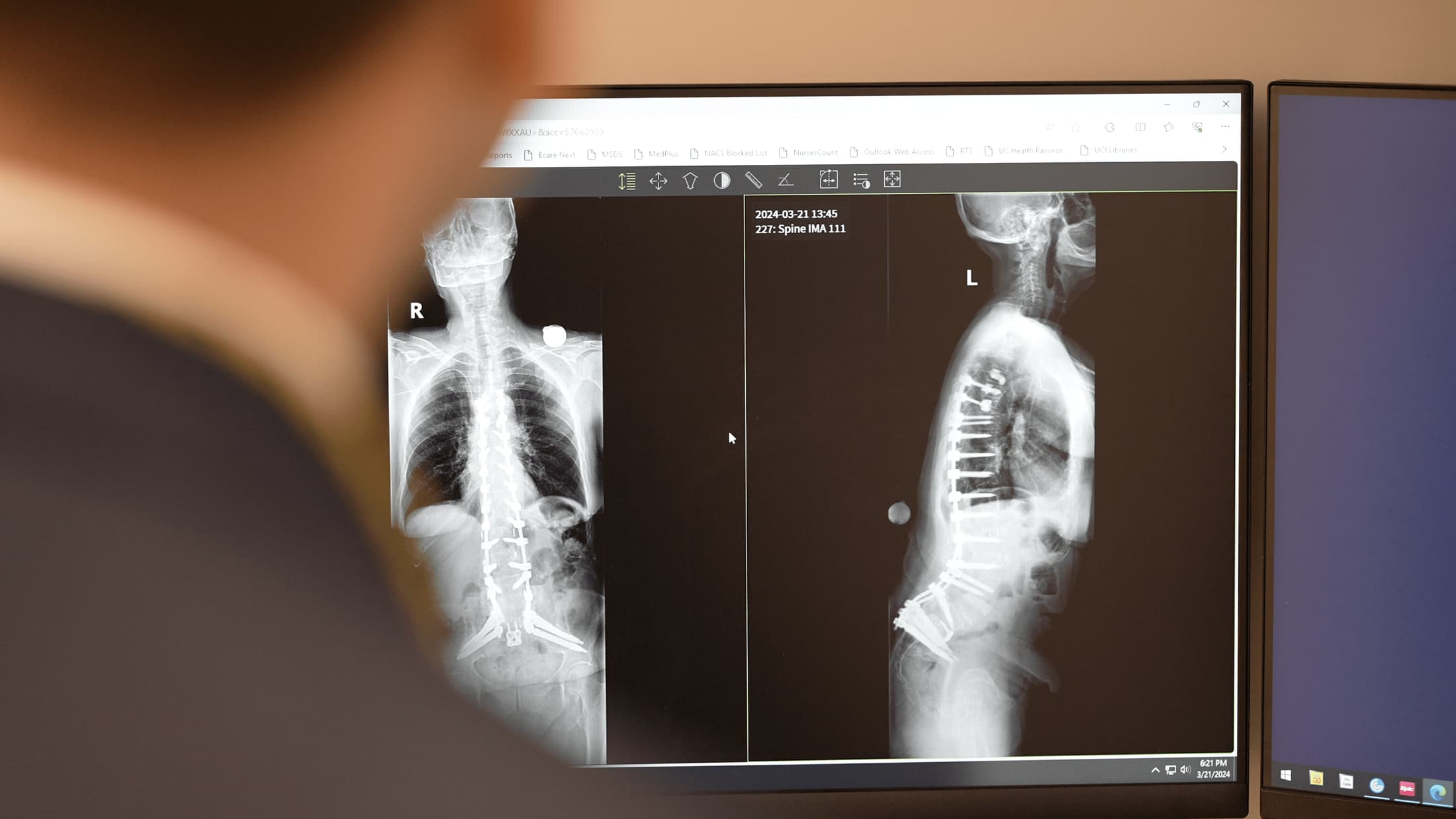
Fig. 2 — Standing full-length films, used to measure alignment.
Our mission
Exceptional Care, Every
Patient, Every Day
Specializing in orthopaedic spine and trauma surgery, Dr. Hashmi provides personalized treatment plans using advanced techniques. For patients who have been told that no further surgical options are available, he is experienced in handling complex cases.
Complex reconstruction and revision surgery is a significant part of this practice. Dr. Hashmi often receives referrals from other Southern California spine surgeons for challenging cases, including athletic injuries and revision surgery. A second opinion begins with your prior operative reports and imaging, reviewed alongside your current studies.
The aim is a specific diagnosis and a personalized treatment plan. Where surgery is not likely to help, you will be told so.
Where does it hurt
Conditions We Treat
A compressed nerve in the neck can be felt in the hand, and one in the low back can be felt in the foot. Select the segment your symptoms point to, or go straight to the full index.
Selected segment
Cervical spine
C1–C7 · neckSeven vertebrae carrying the head through the most mobile part of the spine. The canal here is narrow, so compression can affect the spinal cord itself and not just a nerve root.
Common symptoms
- Neck pain into the shoulder blade
- Numbness or weakness in the fingers
- Clumsiness with buttons and keys
- Unsteadiness when walking
Selected segment
Thoracic spine
T1–T12 · mid-backTwelve vertebrae supported by the rib cage. The least mobile segment of the spine and the narrowest canal, which makes problems here uncommon and technically demanding to treat.
Common symptoms
- Band-like pain around the chest or abdomen
- Mid-back pain that will not settle
- Weakness or stiffness in both legs
- A change in balance or gait
Selected segment
Lumbar spine
L1–L5 · low backFive large vertebrae carrying the load of the trunk. The lowest segments take the most force in the spine, and they are where degenerative change often appears first.
Common symptoms
- Low back pain, worse sitting or bending
- Sciatica travelling below the knee
- Leg heaviness after a set walking distance
- Numbness in the foot, or a dropped foot
Procedures
Procedures We Offer
- 01 Revision Spine Surgery Surgery to correct issues from previous spine surgeries, alleviating pain and restoring function.
- 02 Endoscopic Spine Surgery Minimally invasive surgery using an endoscope to treat spinal conditions with reduced recovery time and minimal scarring.
- 03 Robotic Spine Surgery Advanced surgical technique using robotic technology for precise and minimally invasive spinal procedures.
- 04 Scoliosis & Spinal Deformity Correction Surgical correction of spinal deformities like scoliosis to improve alignment, relieve pain, and enhance function.
- 05 Spinal Trauma Surgery Emergency or planned surgical intervention to treat spinal injuries, stabilizing the spine and preventing further damage.
- 06 Disc Replacement Surgical procedure to replace a damaged disc with an artificial one, preserving motion and relieving pain.
Welcome
Meet Dr. Hashmi
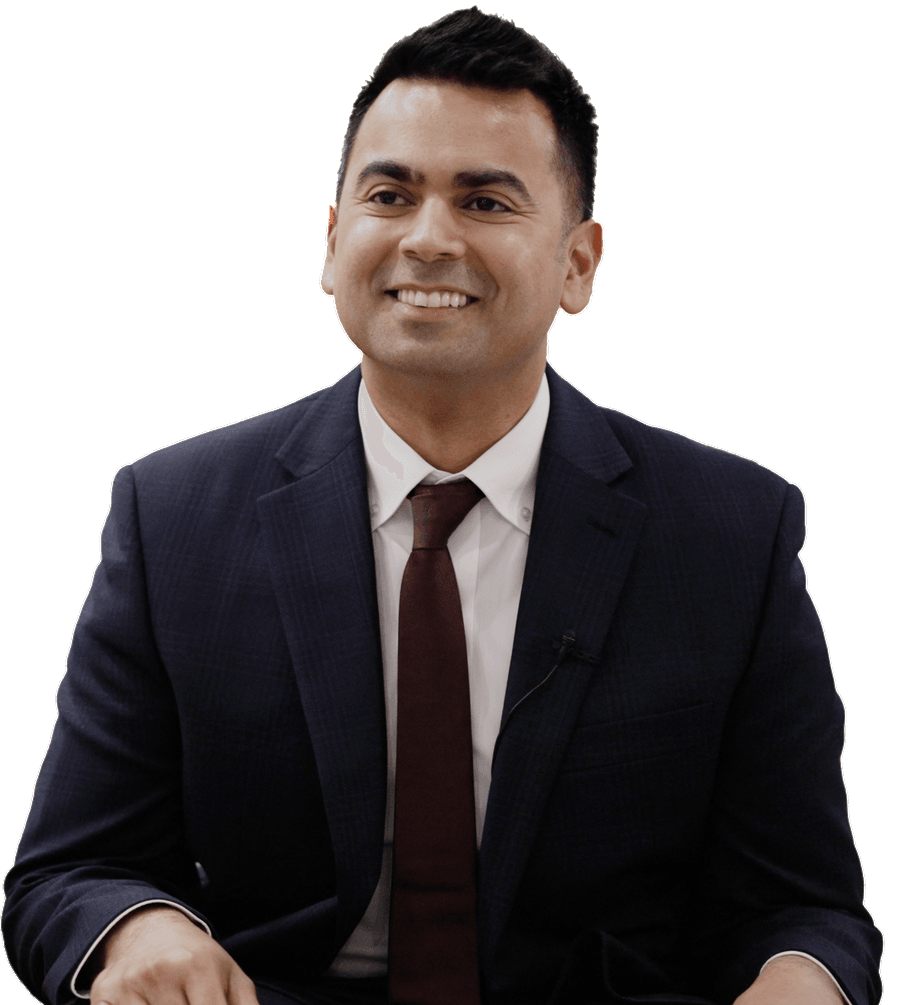
Board certified by the American Board of Orthopaedic Surgery. Director of Spine Trauma at UCI Health and Assistant Professor in the Departments of Orthopaedic Surgery and Neurological Surgery at the UC Irvine School of Medicine. Two fellowships, in orthopaedic trauma at Cedars-Sinai and in spine surgery at the University of Maryland and R Adams Cowley Shock Trauma Center, after residency at Northwestern.
- 2005–2009 University of Notre Dame Bachelor of Science
- 2009–2014 University of Toledo College of Medicine and Life Sciences Doctor of Medicine
- 2010 Hospital for Special Surgery Research fellowship, hand and upper extremity
- 2014–2019 Northwestern University, Feinberg School of Medicine Orthopaedic Surgery Residency
- 2019–2020 Cedars-Sinai Medical Center Orthopaedic Trauma Fellowship
- 2020–2021 University of Maryland Medical Center / R Adams Cowley Shock Trauma Center Orthopaedic Spine Fellowship
- 2021–now UCI Health · UC Irvine School of Medicine Director of Spine Trauma · Assistant Professor
Research
Practice that changes
when the evidence does.
Dr. Hashmi is the author or co-author of more than 40 peer-reviewed publications and book chapters. His current research is focused on orthobiologics and patient-reported outcomes in orthopaedic spine and traumatic disorders. He is a reviewer for Global Spine Journal and JAAOS.
Selected publications- 2022 Spine
Primary spinal infections in patients with solid organ transplant: a systematic literature review and illustrative case
Journal of Neurosurgery: Case Lessons
- 2022 Outcomes
Preoperative hypoalbuminemia and dialysis increase morbidity and mortality after spine surgery for primary pyogenic spinal infections
Surgical Neurology International
- 2022 Education
Algorithm improves acetabular fracture radiograph interpretation among inexperienced practitioners
Cureus
- 2022 Trauma
Accuracy of radiographic displacement measurement in a pelvic ring injury model
Journal of the American Academy of Orthopaedic Surgeons
- 2021 Trauma
Risk factors for development of a recalcitrant femoral nonunion: a single surgeon experience in 122 patients
Journal of Orthopaedic Trauma

Patient-centered care
We put our patients at the center of everything we do.
01 What types of spinal issues does Dr. Hashmi treat?
Dr. Hashmi treats a wide range of spinal issues, including but not limited to: endoscopic spinal surgery, minimally invasive spine surgery, spinal decompression surgery, herniated discs including thoracic, spinal fusion surgery, anterior lumbar interbody fusion (ALIF), prone lateral interbody fusion (PTP), TLIF and PLIF surgeries, disc replacement, cervical, thoracic and lumbar spine surgeries, scoliosis and spinal deformities, revision and failed spine surgery reconstruction, robotic spine surgery, spinal trauma surgery, and spine tumors.
02 What should I expect during my first appointment?
During your first appointment, Dr. Hashmi will review your medical history, discuss your symptoms, and conduct a thorough physical examination. He may also recommend imaging studies to better understand your condition and develop a personalized treatment plan.
03 What surgical techniques does Dr. Hashmi use?
Dr. Hashmi uses both traditional open surgery and minimally invasive techniques to address patient-specific spinal pathologies, including robotic spine surgery and endoscopic procedures where appropriate.
04 I was told there are no further surgical options. Is a second opinion worth it?
It may be. Complex reconstruction and revision surgery is a significant part of this practice, and Dr. Hashmi often receives referrals from other Southern California spine surgeons for challenging cases. A second opinion begins with a review of your prior operative reports and imaging alongside your current studies. If surgery is not likely to help, you will be told so.
05 Will I need surgery?
Not necessarily. Many spinal conditions are managed without an operation, and non-surgical care is considered first when it is appropriate. Surgery is discussed when there is a structural problem that surgery can address, and treatment is individualized to your examination and imaging rather than to a general protocol.
Get in touch
Schedule Time Today
Request a consultation through this site, or call the patient appointments line directly. Referring physicians have a separate pathway.